Creating Inclusive Spaces for Children with Disabilities
Creating inclusive spaces for children with disabilities is not just a matter of compliance; it is a fundamental right that fosters equality, respect, and understanding. Every child deserves a safe and welcoming environment where they can learn, play, and grow. In this blog post, we will explore practical strategies, real-life examples, and the importance of inclusivity in various settings, including schools, playgrounds, and community centers.
Understanding Inclusivity
Inclusivity means ensuring that all individuals, regardless of their abilities, have equal access to opportunities and resources. For children with disabilities, this can mean adapting physical spaces, modifying teaching methods, and fostering an environment that celebrates diversity.
Why Inclusivity Matters
Promotes Equality: Inclusive spaces help dismantle barriers that children with disabilities face, allowing them to participate fully in society.
Enhances Social Skills: Interaction with peers from diverse backgrounds fosters empathy, understanding, and social skills.
Encourages Independence: Inclusive environments empower children to develop self-confidence and independence.
Designing Inclusive Spaces
Creating inclusive spaces requires thoughtful planning and design. Here are some key considerations:
Physical Accessibility
Entrances and Exits: Ensure that all entrances are wheelchair accessible and equipped with ramps and automatic doors.
Restrooms: Design restrooms that accommodate various needs, including accessible stalls and changing tables for older children.
Classroom Layout: Arrange furniture to allow easy movement for children using wheelchairs or other mobility aids.
Sensory-Friendly Environments
Many children with disabilities may have sensory sensitivities. Consider the following:
Lighting: Use natural light where possible and avoid harsh fluorescent lighting. Soft, adjustable lighting can create a calming atmosphere.
Quiet Spaces: Designate areas where children can retreat if they feel overwhelmed. These spaces should be equipped with calming materials like soft seating and noise-canceling headphones.
Inclusive Playgrounds
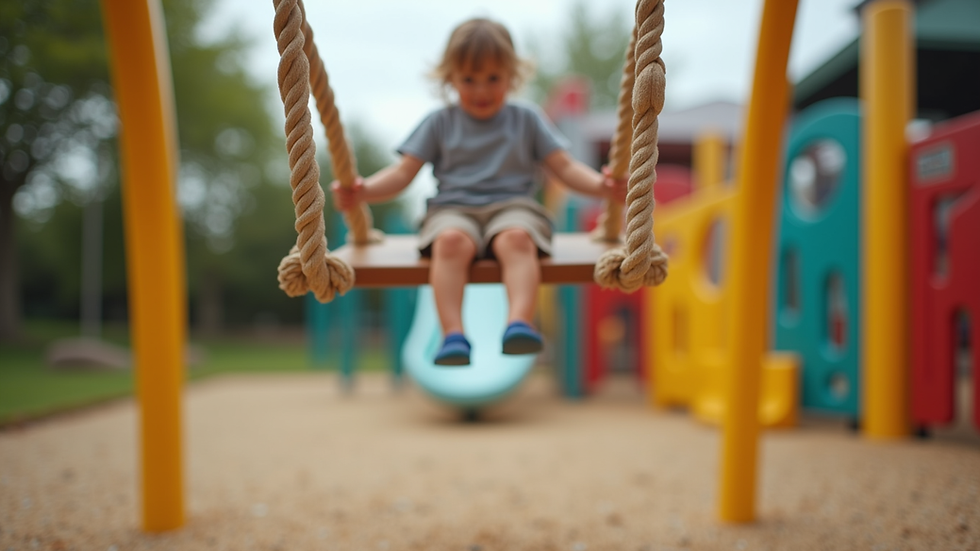
Playgrounds are essential for children's physical and social development. Here are ways to make them inclusive:
Adaptive Equipment: Install swings with harnesses, wheelchair-accessible ramps, and sensory play panels.
Varied Play Areas: Create zones for different types of play, including quiet areas for children who may need a break from active play.
Educational Strategies for Inclusivity
In educational settings, inclusivity can be achieved through various teaching strategies:
Differentiated Instruction
Teachers can adapt their teaching methods to meet the diverse needs of their students. This may include:
Visual Aids: Use charts, diagrams, and videos to support visual learners.
Hands-On Activities: Incorporate tactile learning experiences for children who benefit from physical engagement.
Flexible Grouping: Group students based on their strengths and needs, allowing for peer support and collaboration.
Training and Awareness
Educators and staff should receive training on inclusivity and disability awareness. This can include:
Workshops: Regular workshops on inclusive practices and understanding different disabilities.
Peer Mentoring: Pairing students with and without disabilities to foster friendships and understanding.
Community Involvement
Creating inclusive spaces is not solely the responsibility of schools or organizations; it requires community involvement. Here are ways to engage the community:
Collaboration with Families
Involve families in the planning and implementation of inclusive practices. This can be done through:
Feedback Sessions: Regularly seek input from families about their children's needs and experiences.
Family Events: Host events that celebrate diversity and promote understanding among families.
Partnerships with Local Organizations
Collaborate with local organizations that specialize in disability services. This can enhance resources and support available to children and families.
Real-Life Examples of Inclusive Spaces
Case Study: The Inclusive Playground in New York City
In New York City, the Adventure Playground is a prime example of an inclusive space. It features:
Adaptive Equipment: Swings, slides, and climbing structures designed for children of all abilities.
Community Engagement: The playground was developed with input from families and disability advocates, ensuring it meets the needs of the community.
Case Study: Inclusive Classrooms in California
A school district in California implemented inclusive classrooms where children with disabilities learn alongside their peers. Key features include:
Co-Teaching Models: General and special education teachers work together to provide tailored instruction.
Peer Support Programs: Students are trained to support their classmates with disabilities, fostering a culture of inclusion.
Challenges to Inclusivity
While the benefits of creating inclusive spaces are clear, challenges remain. Some common obstacles include:
Funding: Limited budgets can hinder the implementation of necessary adaptations and resources.
Awareness: Lack of understanding about disabilities can lead to resistance against inclusive practices.
Policy Barriers: Existing policies may not support the necessary changes for inclusivity.
Moving Forward: Steps to Create Inclusive Spaces
Creating inclusive spaces is an ongoing journey. Here are actionable steps to take:
Assess Current Spaces: Evaluate existing environments for accessibility and inclusivity.
Engage Stakeholders: Involve families, educators, and community members in discussions about inclusivity.
Implement Changes: Start with small, manageable changes and gradually expand efforts.
Monitor and Adjust: Regularly assess the effectiveness of inclusivity initiatives and make adjustments as needed.
Conclusion
Creating inclusive spaces for children with disabilities is essential for fostering a society that values diversity and equality. By focusing on accessibility, educational strategies, and community involvement, we can build environments where every child has the opportunity to thrive. The journey toward inclusivity may have its challenges, but the rewards—stronger communities, empowered children, and a more compassionate society—are well worth the effort.
Let us commit to making our spaces inclusive, ensuring that every child feels valued and included. Together, we can create a brighter future for all.


Comments